John Nixon
Fine Arts, Sydney announces representation of the Estate of John Nixon. An exhibition of Nixon’s work will be presented at the gallery June—July, 2026.
For more than five decades, Australian artist John Nixon (1949–2020) created abstract art marked by an unwavering spirit of experimentation and a dynamic interaction with radical modernism. An influential and collaborative figure both in Australia and internationally, Nixon is celebrated for the extraordinary breadth of his art practice. While his primary focus was painting, which he explored under the banner of his Experimental Painting Workshop (EPW), Nixon’s broad conception of art extended into many additional mediums and disciplines. These included sculpture and installation, drawing and collage, as well as photography, film, design, and the performative realms of music, theatre and dance.
Nixon approached abstraction not merely as a style but as an ethical position—a way of engaging with the world through clarity, simplicity, and an irrepressible spirit of experimentation. With a profound personal belief in the intertwining of art and life, Nixon often incorporates found materials and ready-made objects (after Marcel Duchamp) into his paintings and installations. His vibrant, materially diverse paintings combine bold, geometric forms with repurposed materials—cardboard, wood, metal, hessian, and other humble fabrics, which he transforms into objects of visual pleasure. As Nixon said, ‘There is no waste in what I do, it’s a self-sustaining practice. Everything becomes useful to me’.
As a young artist in the late 1960s, Nixon was first inspired by the spare, geometric style of Minimal sculpture and hard-edge painting and its rejection of narrative and figurative imagery in art. He also learned at that time of Russian Constructivism and Suprematism, avant-garde movements that had emerged during the period of the Russian Revolution, though little was then known of them in the West. Their vision of a new abstract art for a bold new non-objective world became a continuing touchstone for him, as did their aesthetic of material exploration, known as faktura or truth to materials. Amid the late 1960s–70s challenges to orthodoxies in art, Nixon developed practical initiatives asserting artistic independence, notably the establishment of his influential contemporary art gallery Art Projects, Melbourne (1979–84). He saw these activities as part of an expanded artistic role, continuing throughout his career via experimental music, theatre, writing, publishing, and curatorial projects. Ever the avant-gardist, he carried this spirit of experimentation forward into contemporary times, believing that ‘to be an artist is to question the nature of art’.
Following his first solo exhibition at Pinacotheca Gallery, Melbourne, in 1973, Nixon exhibited extensively across Australia, New Zealand, Europe, North America, and Asia. He established a significant international profile from 1982, when he and Imants Tillers became the first Australian artists to exhibit in Documenta in Kassel, Germany. Solo exhibition highlights since 2000 include Piero Manzoni / John Nixon: Works from Herning/Denmark, Herning Kunstmuseum, Denmark, in 2000 (which travelled to venues in Germany); Works 1968–2000, Stiftung für konkrete Kunst, Reutlingen, Germany, in 2001; EPW 2004, Australian Centre for Contemporary Art, Naarm, Melbourne, in 2004; Paintings 1980 / 1990 & Paintings 2015, Sarah Cottier Gallery, Gadigal, Sydney, in 2016; John Nixon: Various Works 2013–2017; Museum gegenstandsfreier Kunst, Otterndorf, Germany, in 2017; John Nixon: Abstraction, Auckland Art Gallery Toi o Tāmaki, New Zealand, also in 2017; and Groups + Pairs 2016–2020, Anna Schwartz Gallery, Naarm, Melbourne, in 2020.
Since Nixon’s death, the Estate of John Nixon has continued to exhibit his work, with highlights including John Nixon in the Lyon Collection, Lyon Housemuseum, Melbourne, in 2021; John Nixon—Four Decades, Five Hundred Prints, Geelong Gallery, Djilang, Victoria, in 2023; John Nixon— Artist of the Monochrome 1968–2020, Anna Schwartz Gallery, Melbourne, 2025; and the survey exhibition John Nixon: Song of The Earth 1968—2020, at Heide Museum of Modern Art, Naarm, Melbourne in 2025–26.
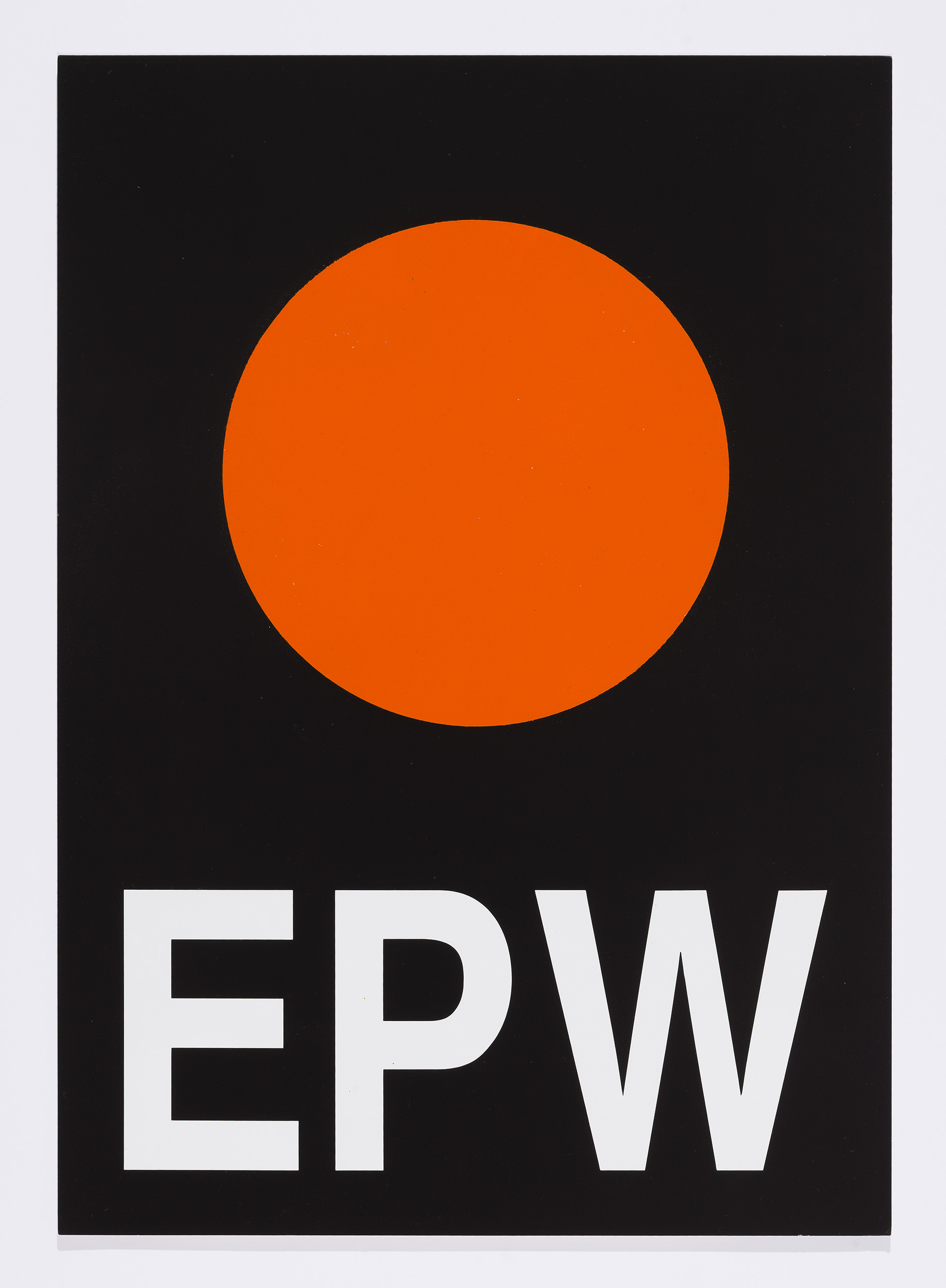
John Nixon, ‘EPW: O‘, 2000
enamel paint and vinyl lettering on MDF
70.5 × 50cm
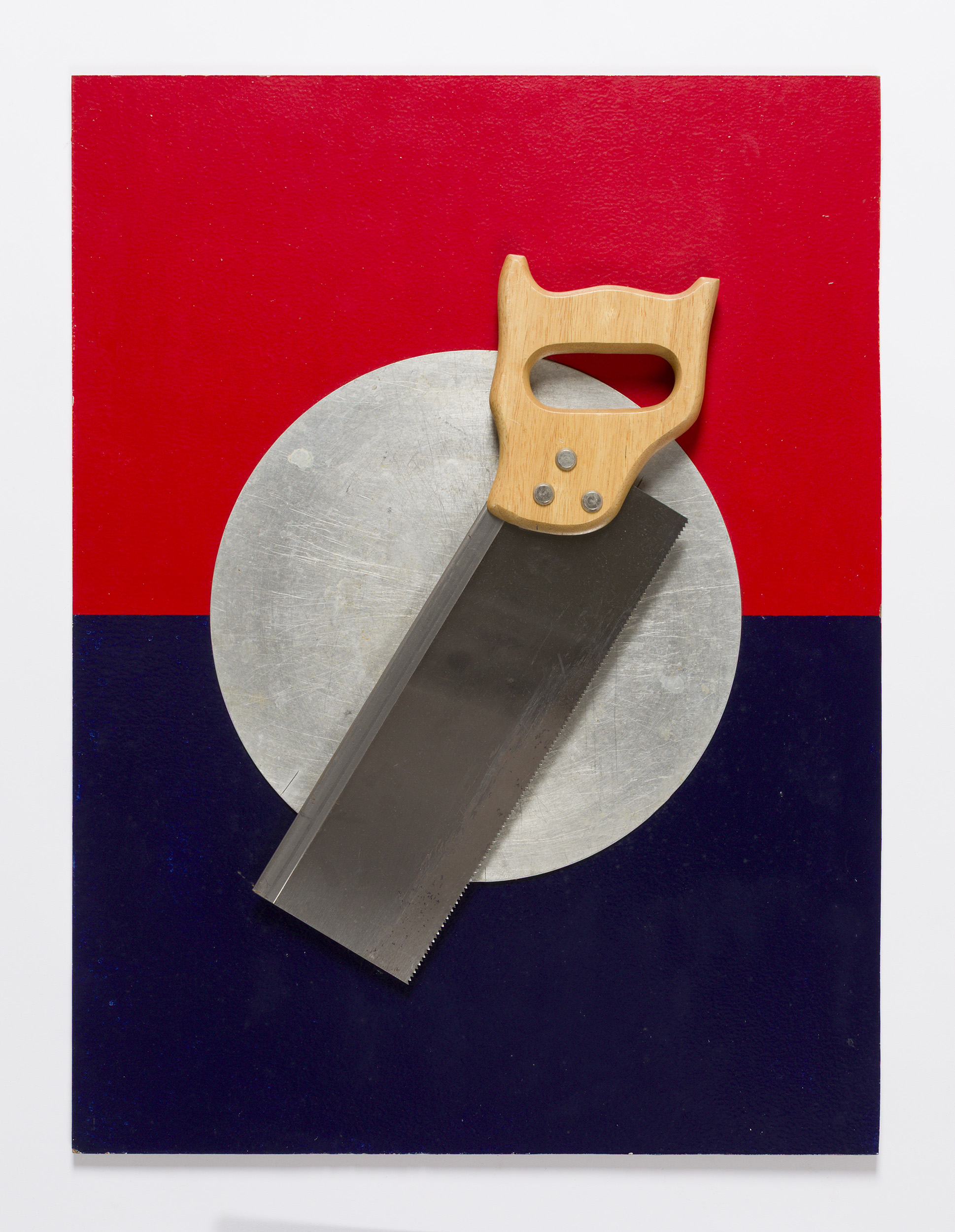
John Nixon, ‘Konstruction‘, 1994
enamel paint, metal disc and handsaw on Masonite
61 × 45 cm
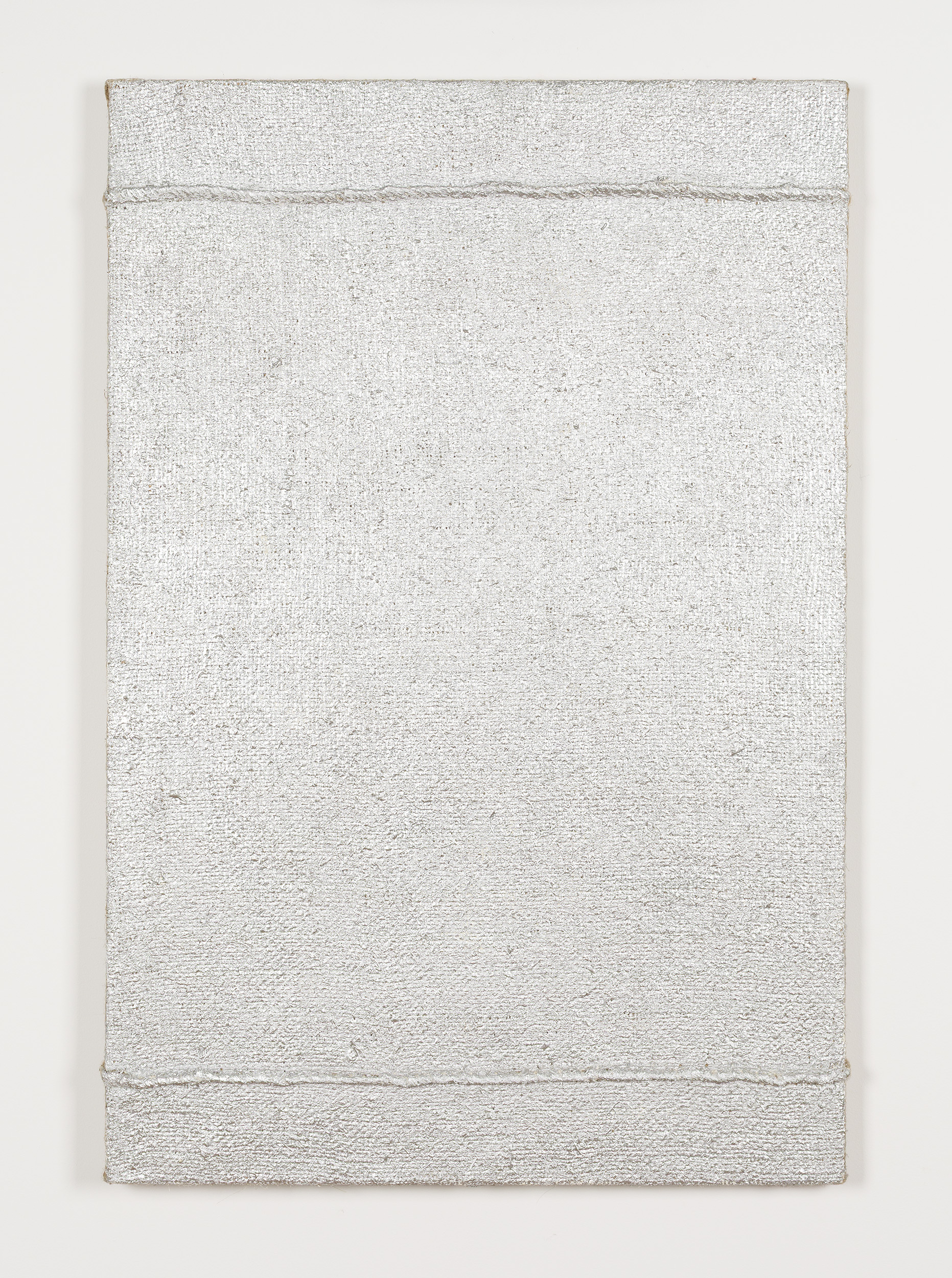
John Nixon, ‘Silver Monochrome‘, 2005
enamel paint on hessian
91 × 60 cm
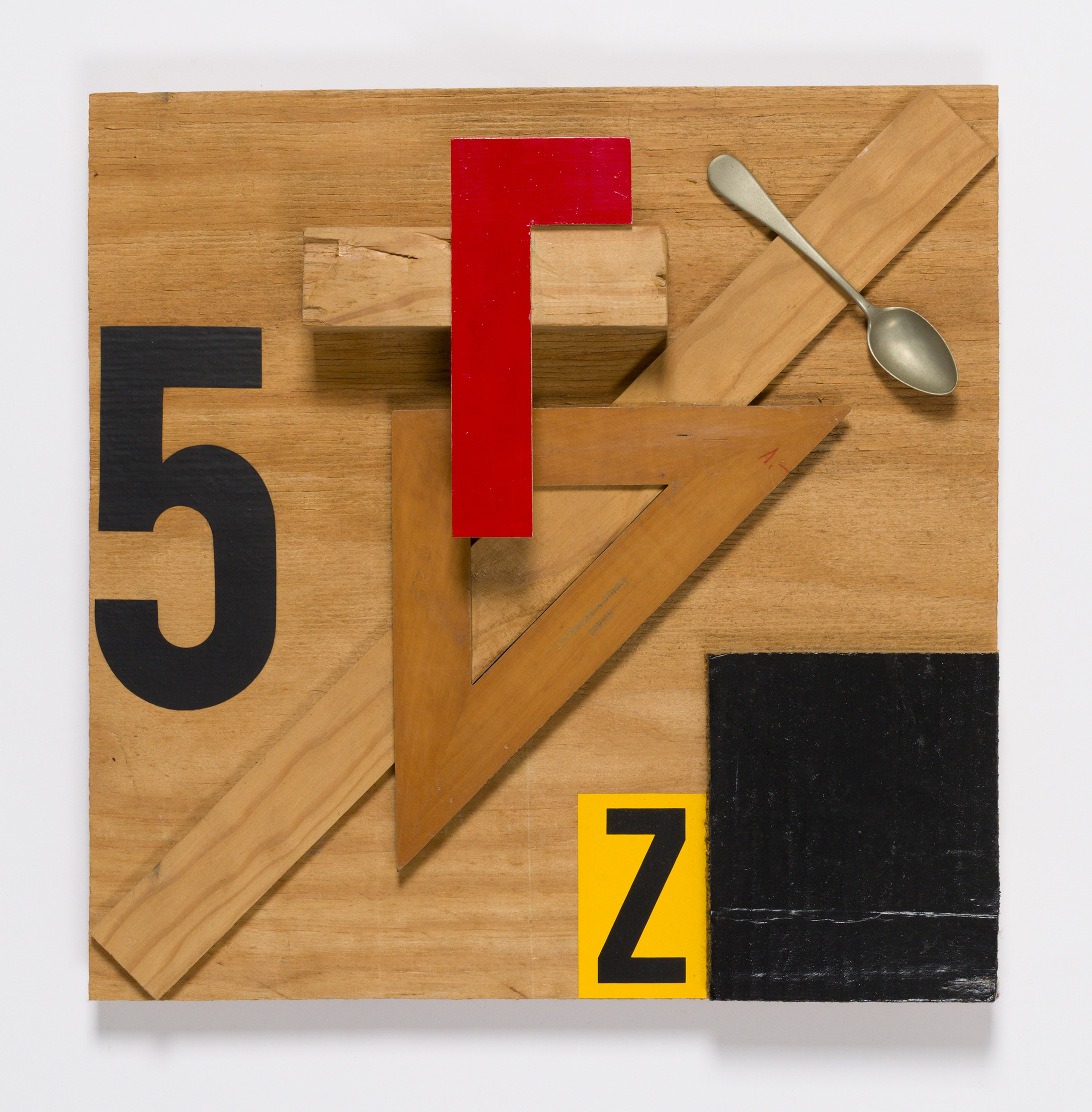
John Nixon, ‘Konstruction‘, 1992
spoon, lettering, set square and enamel on cardboard and wood
39 x 39 cm
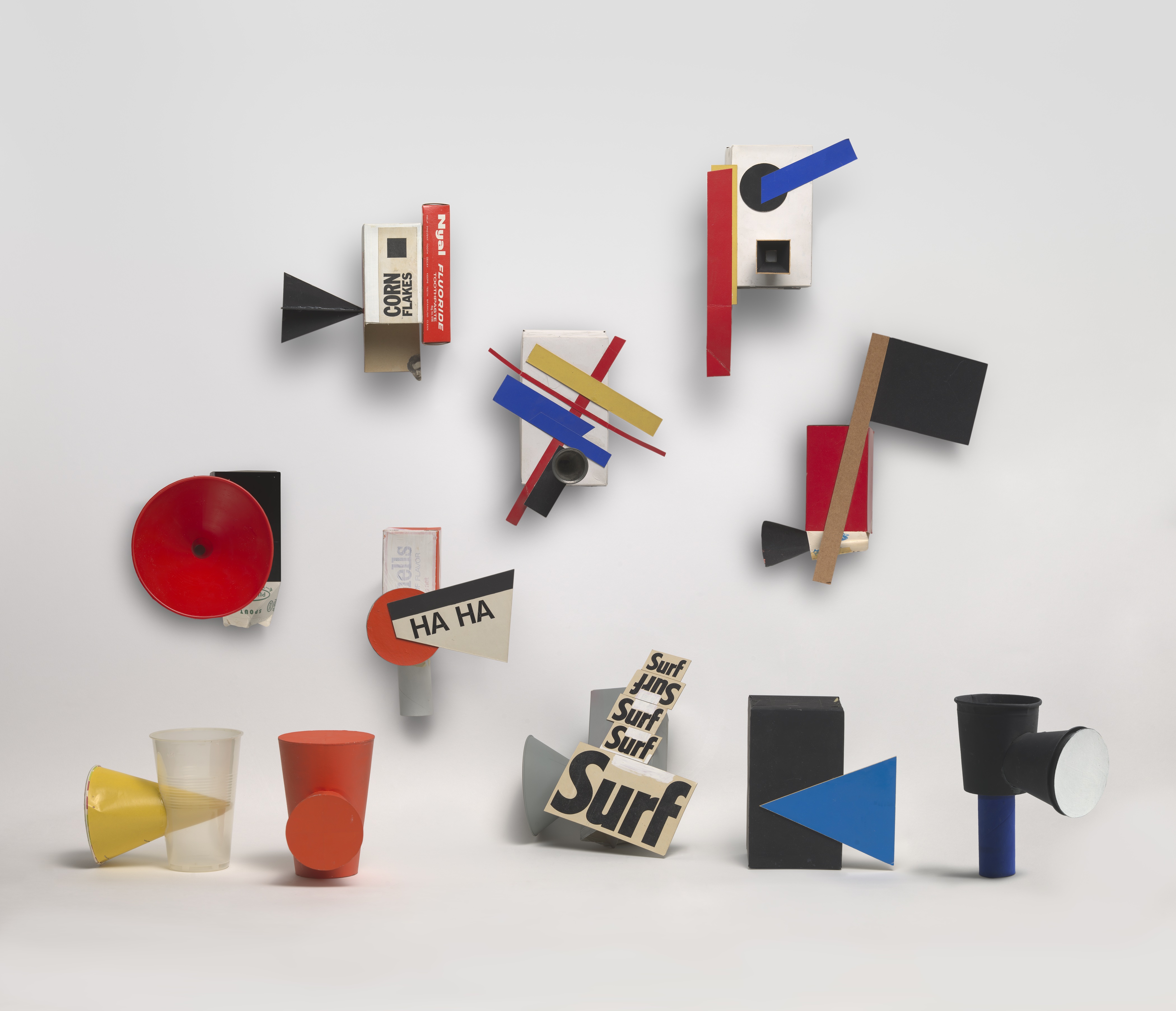
John Nixon, ‘Eleven Heads‘, 1978
plastic, paint, cardboard packaging, audio cassette tapes
11 parts: each approximately 24 × 17 × 7 cm (irregular)
(National Gallery of Australia, Kamberri/Canberra. Purchased 1984)
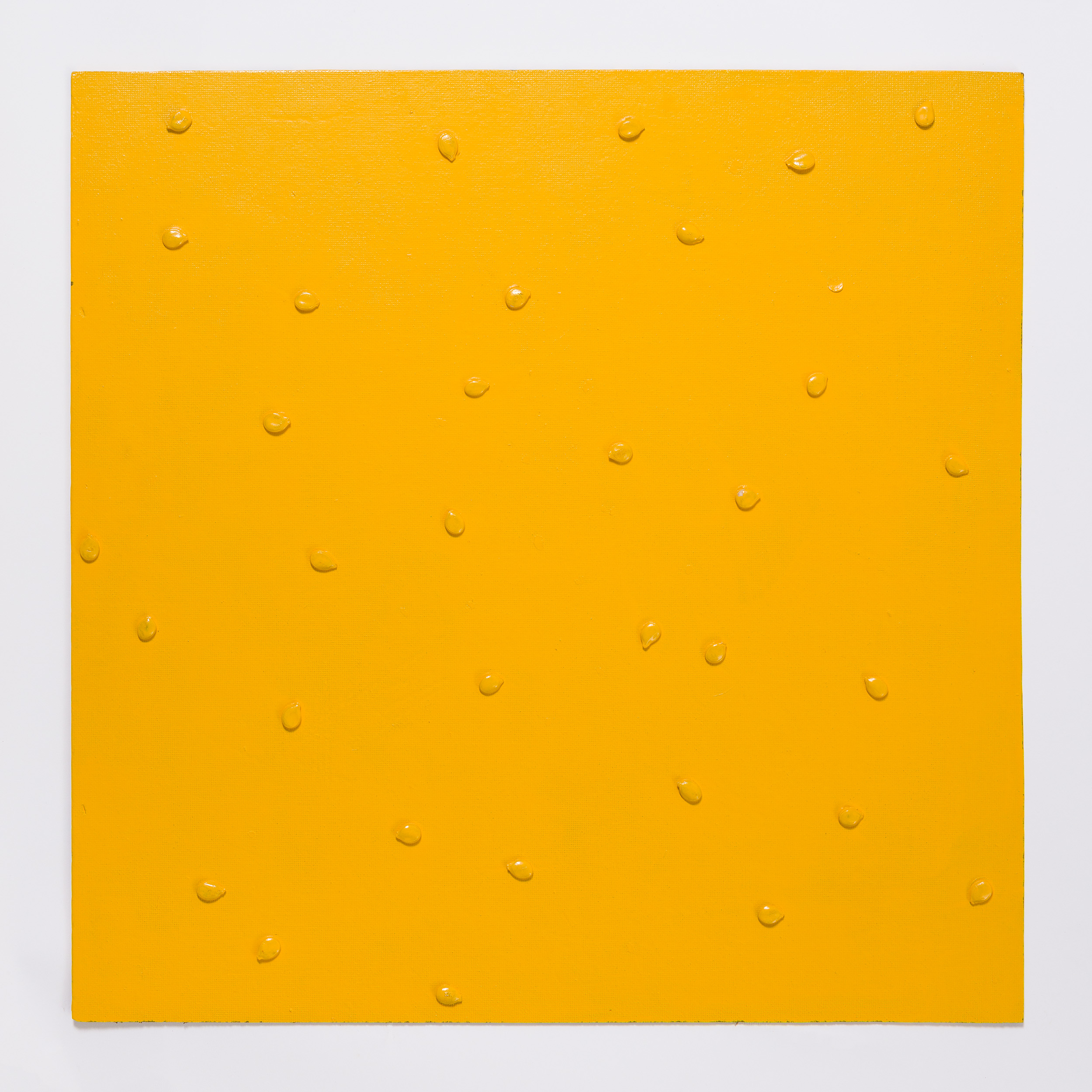
John Nixon, ‘Self-Portrait, Non-Objective Composition (Yellow Monochrome with Seeds)‘, 1988
enamel paint and pumpkin seeds on Masonite
58 × 58 cm
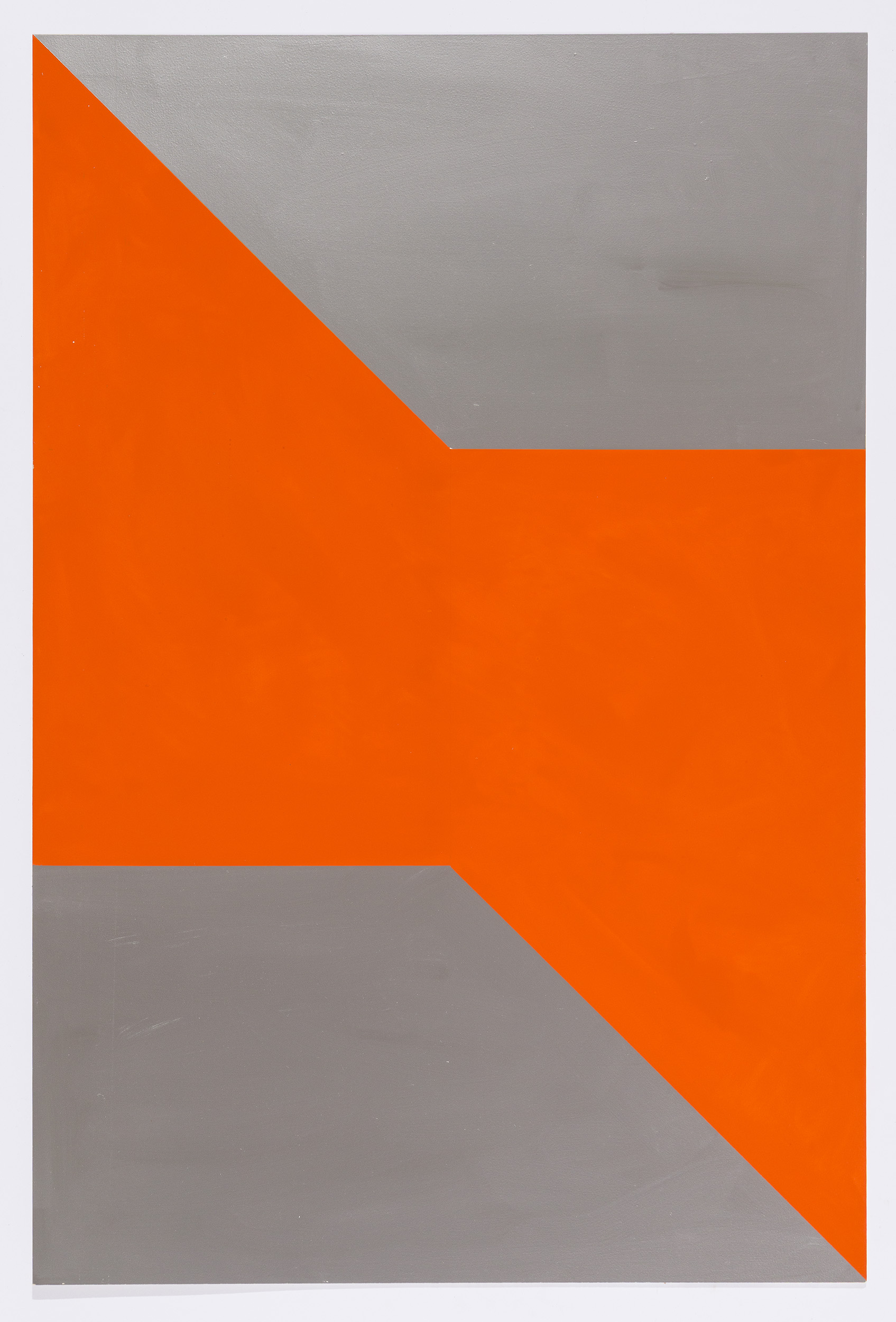
John Nixon, ‘Orange Monochrome with Silver‘, 2005
enamel paint on MDF
90 × 60 cm
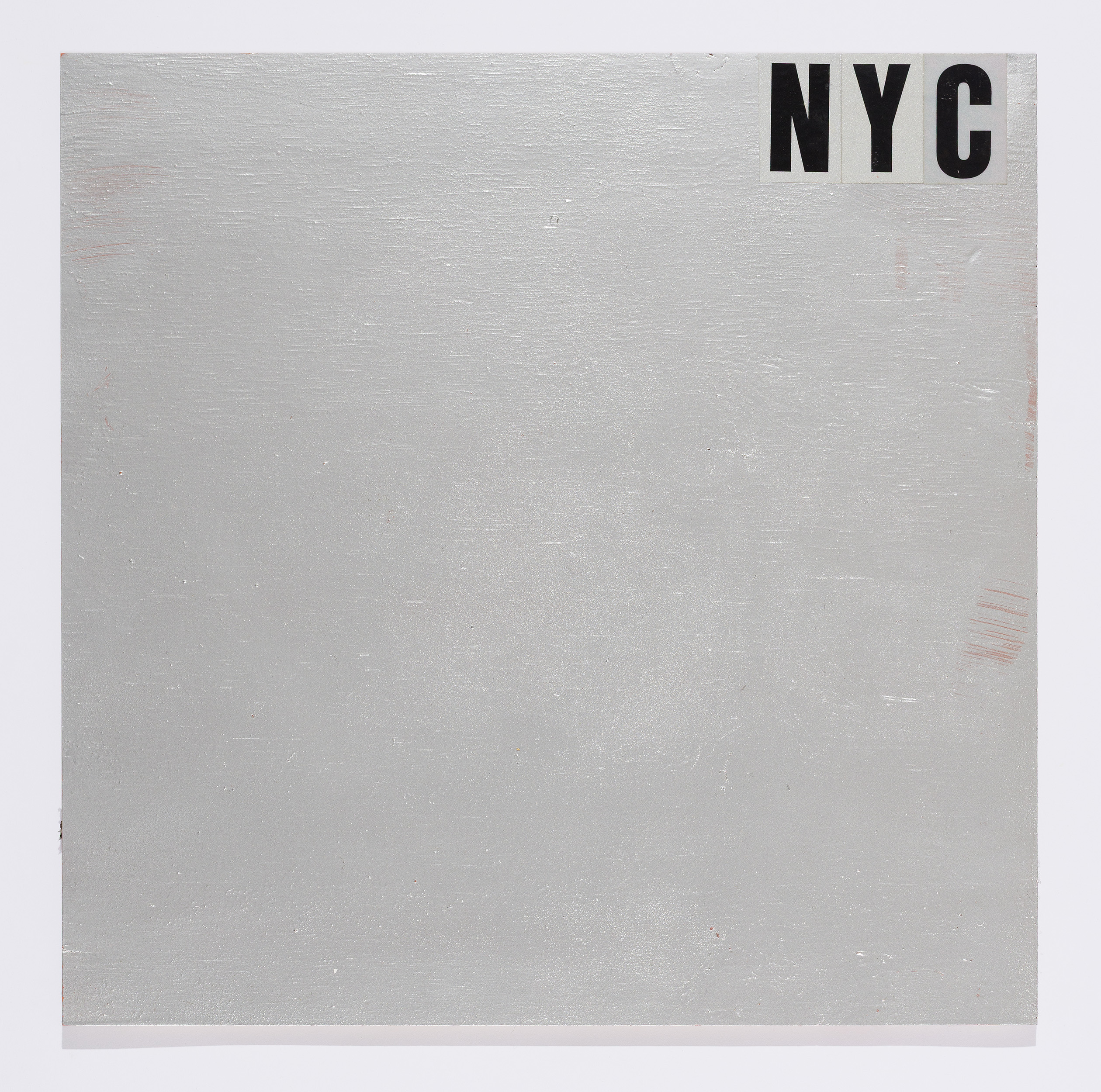
John Nixon, ‘Silver Monochrome (NYC)‘, 2001
adhesive letters and enamel paint on plywood
45 × 45 cm
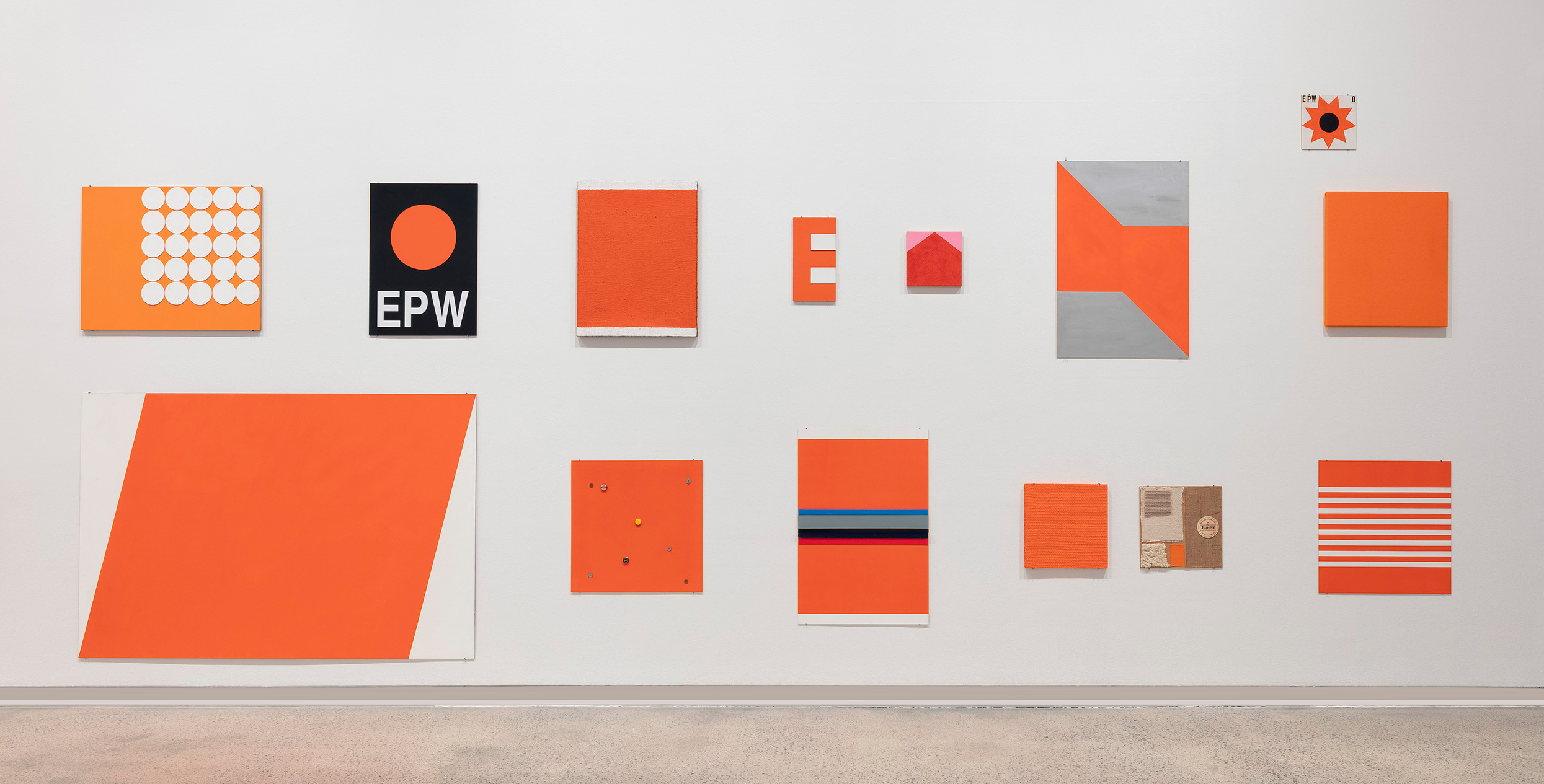
Exhibition detail, ‘John Nixon: Song of the Earth, 1968—2020‘
Heide Museum of Modern Art, Melbourne, Australia
November 2025 — March 2026
(Photograph: Christian Capurro)